
MINCELY
Recipe Intelligence Engine.
Turn any recipe — pasted text, a Word document, a photo, or a YouTube video — into structured data with ingredients, steps, categories and nutrition macros. In seconds.
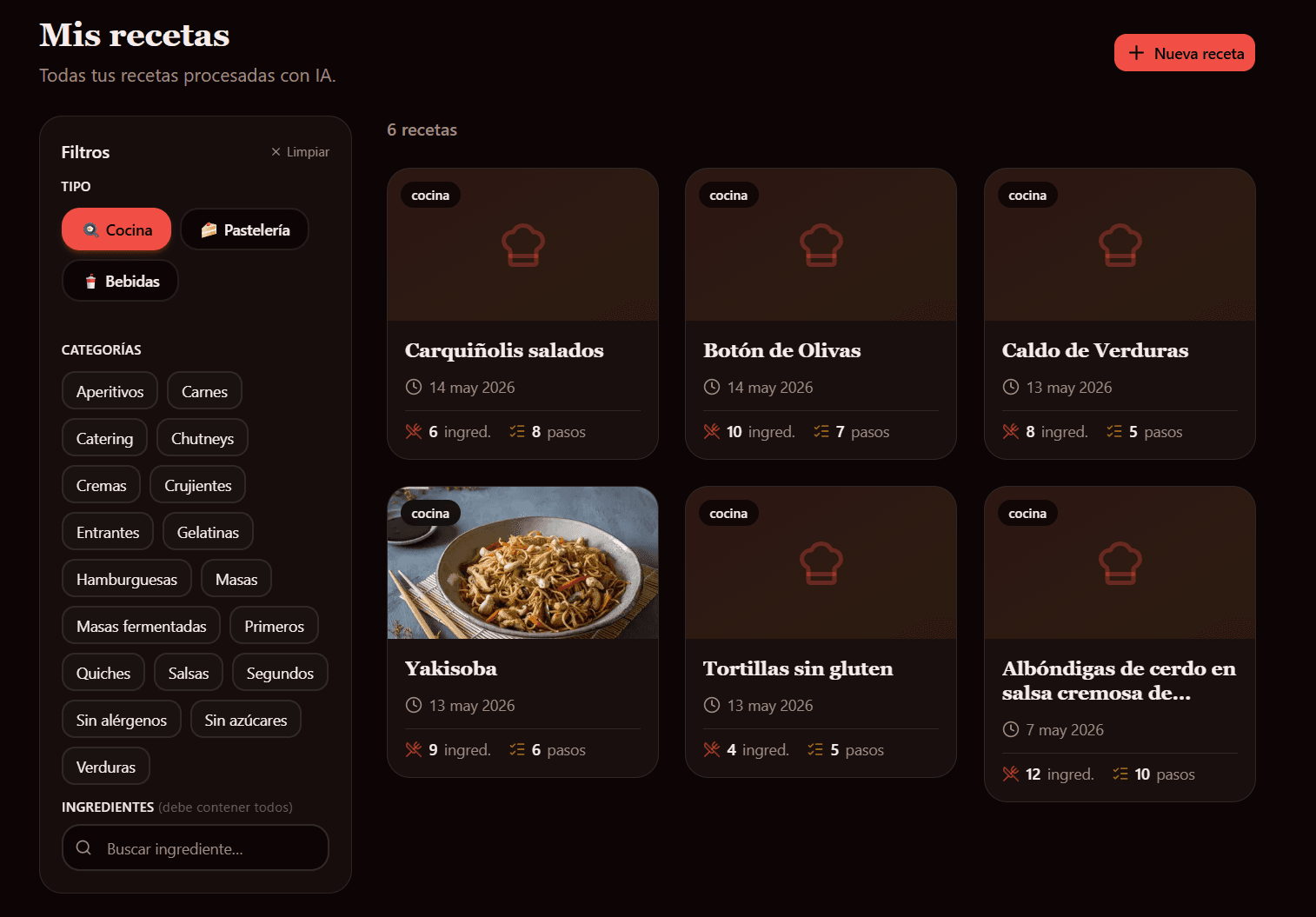
From raw input to structured recipe.
Drop in any source. The AI extracts the title, ingredients, steps, categories and nutrition macros — then surfaces every field for review with inline warnings on anything it's unsure about. You stay in control.
- Multi-provider routing — Anthropic, OpenAI, Ollama
- Live editing of generated data before saving
- Inline warnings on low-confidence fields
- USDA-backed nutrition with LLM fallback
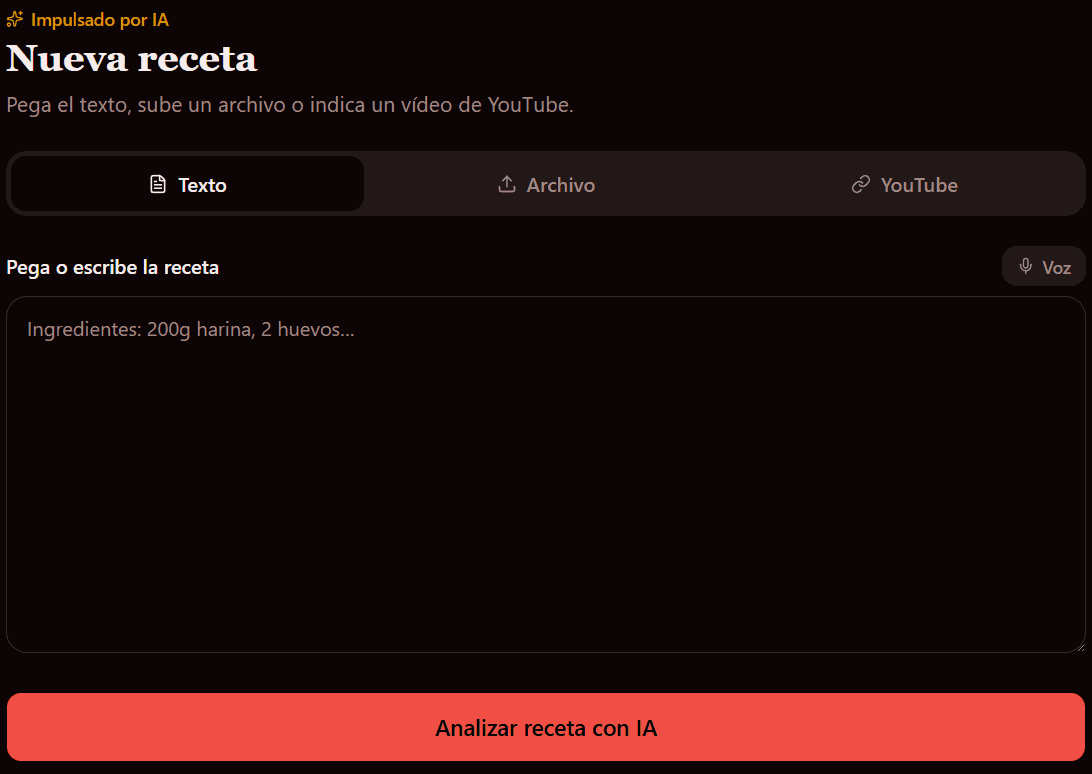
Any source. One pipeline.
Mincely accepts the messy reality of how recipes actually live: pasted text, screenshots, a Word document your aunt emailed, or a YouTube cooking video. One pipeline, one structured output.
You stay in the loop.
Every field generated by the AI is editable before you save. Mincely surfaces low-confidence fields with inline warnings, so you know exactly where to double-check.
Categories and ingredients are auto-detected and chip-tagged — add, remove or rename in one click. Full preview, full edit, full ownership of the data.
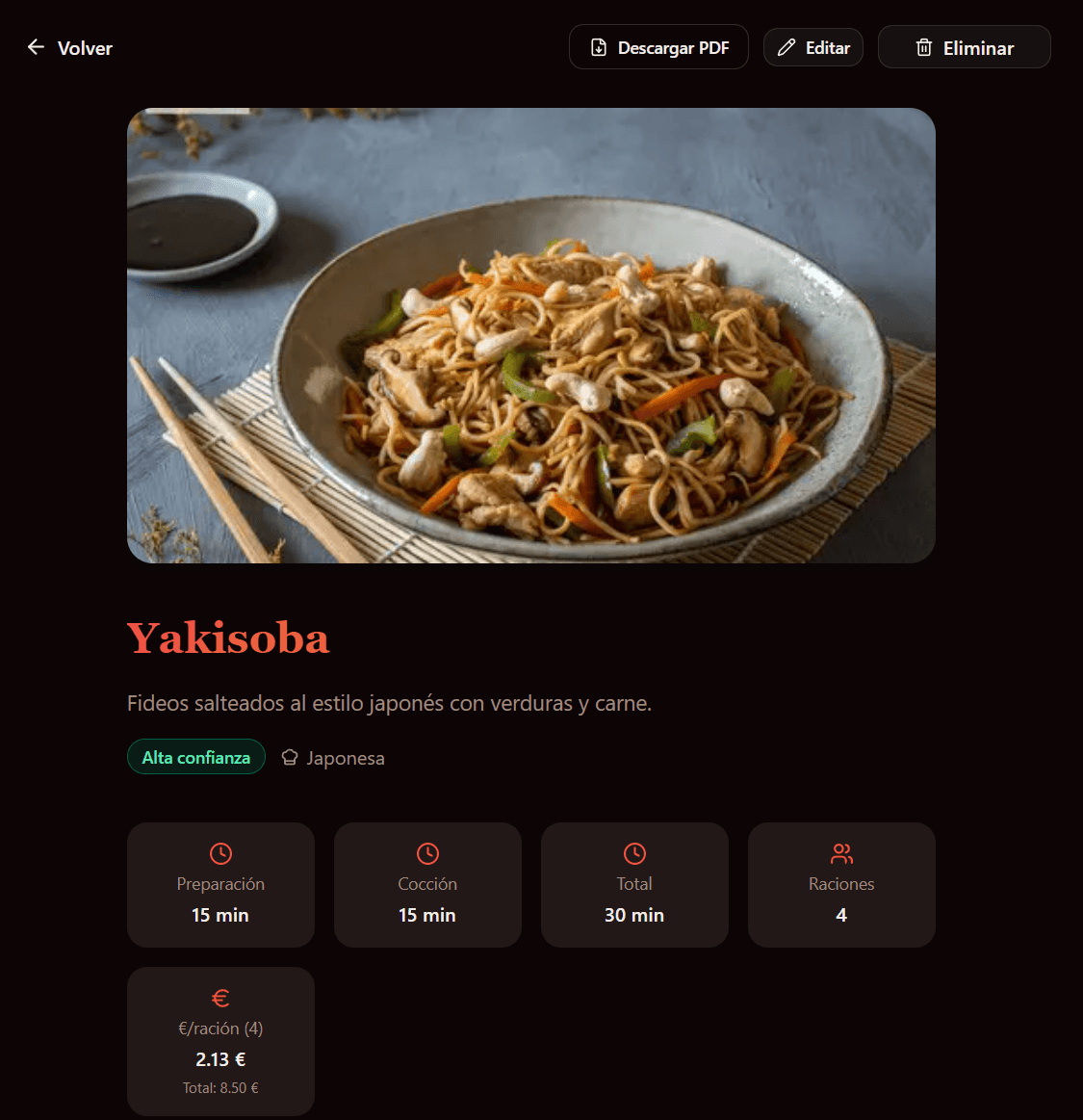
Every recipe, fully readable.
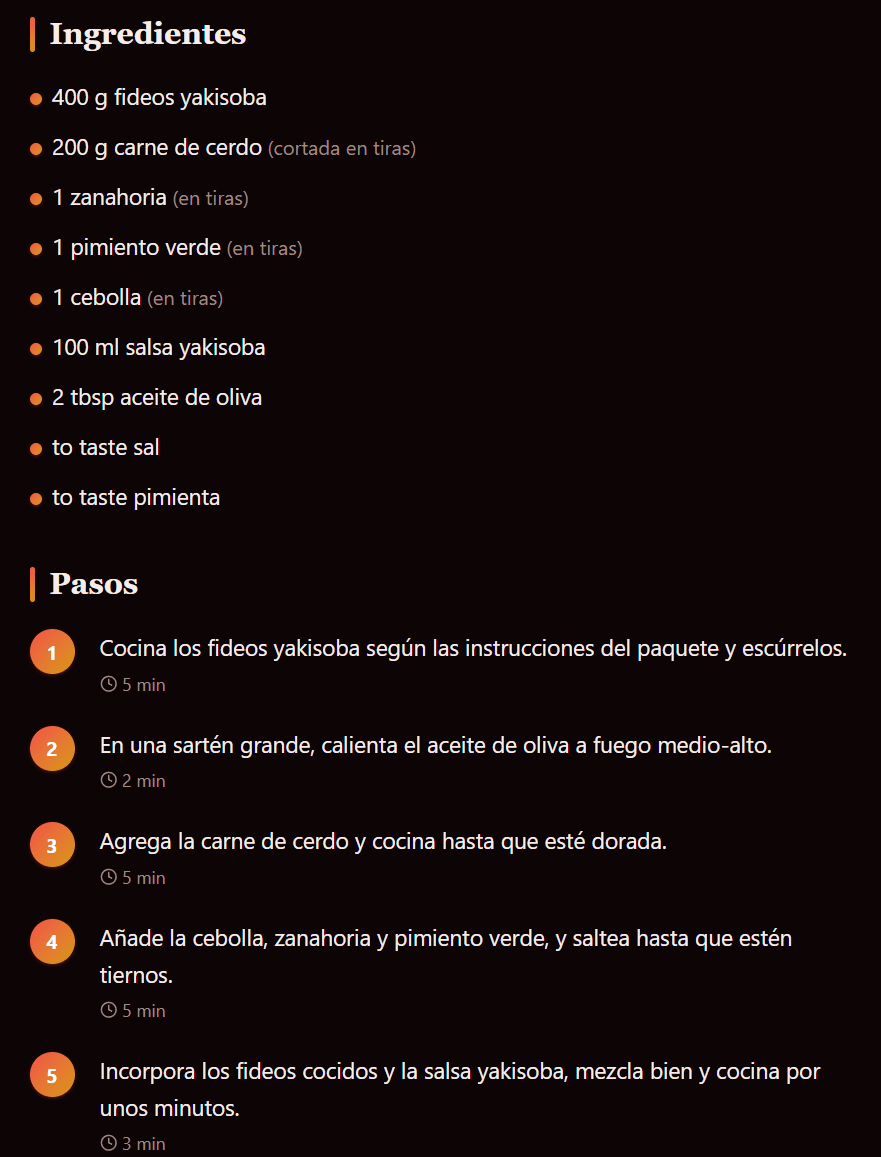
Each saved recipe gets a clean, structured detail page — ingredients, step-by-step preparation, macros, and source metadata. Scroll to walk through the three views.
- Ingredients with USDA-backed quantities
- Numbered preparation steps
- Nutrition macros + per-serving breakdown
- One-click PDF export of the full page
Real macros, from real data.
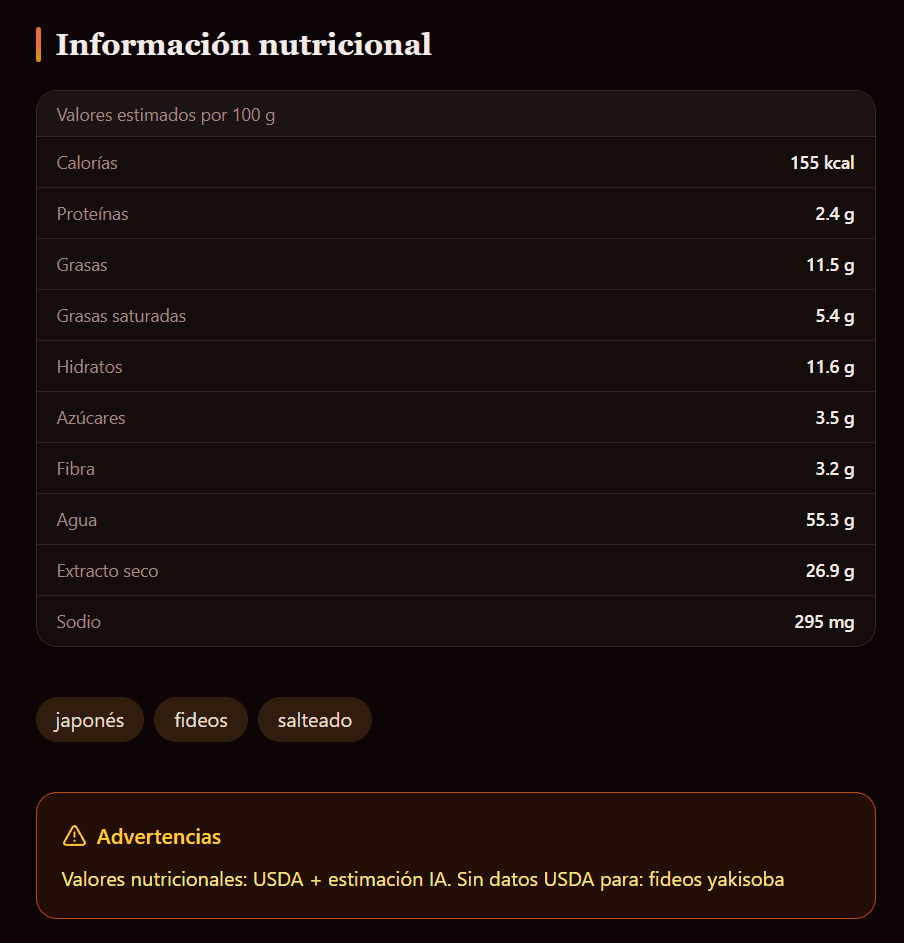
Mincely queries the USDA FoodData Central API to compute calories, protein, carbs and fat per ingredient — then aggregates per recipe and per serving.
When USDA has no match, the LLM steps in with a structured fallback. You always see which fields came from USDA and which are AI-estimated.
Built modern.
Production-grade architecture from day one — strict typing, schema-first validation, multi-provider AI abstraction, edge-ready database.
Cook smarter.
Mincely started as a way to organize my father's recipes — it grew into a production-grade AI playground for prompt engineering, multi-provider routing, secure API design and a polished UI. Still evolving, fully open source.
Open Source
MIT-licensed. Fork it, extend it, run it locally.
Roadmap
Auth (Better Auth), Langfuse observability, pgvector recipe search, TikTok / Instagram import.
MVP-only
Anthropic in prod. OpenAI / Ollama wired but not yet deployed.